
What To Expect
Our Clinic
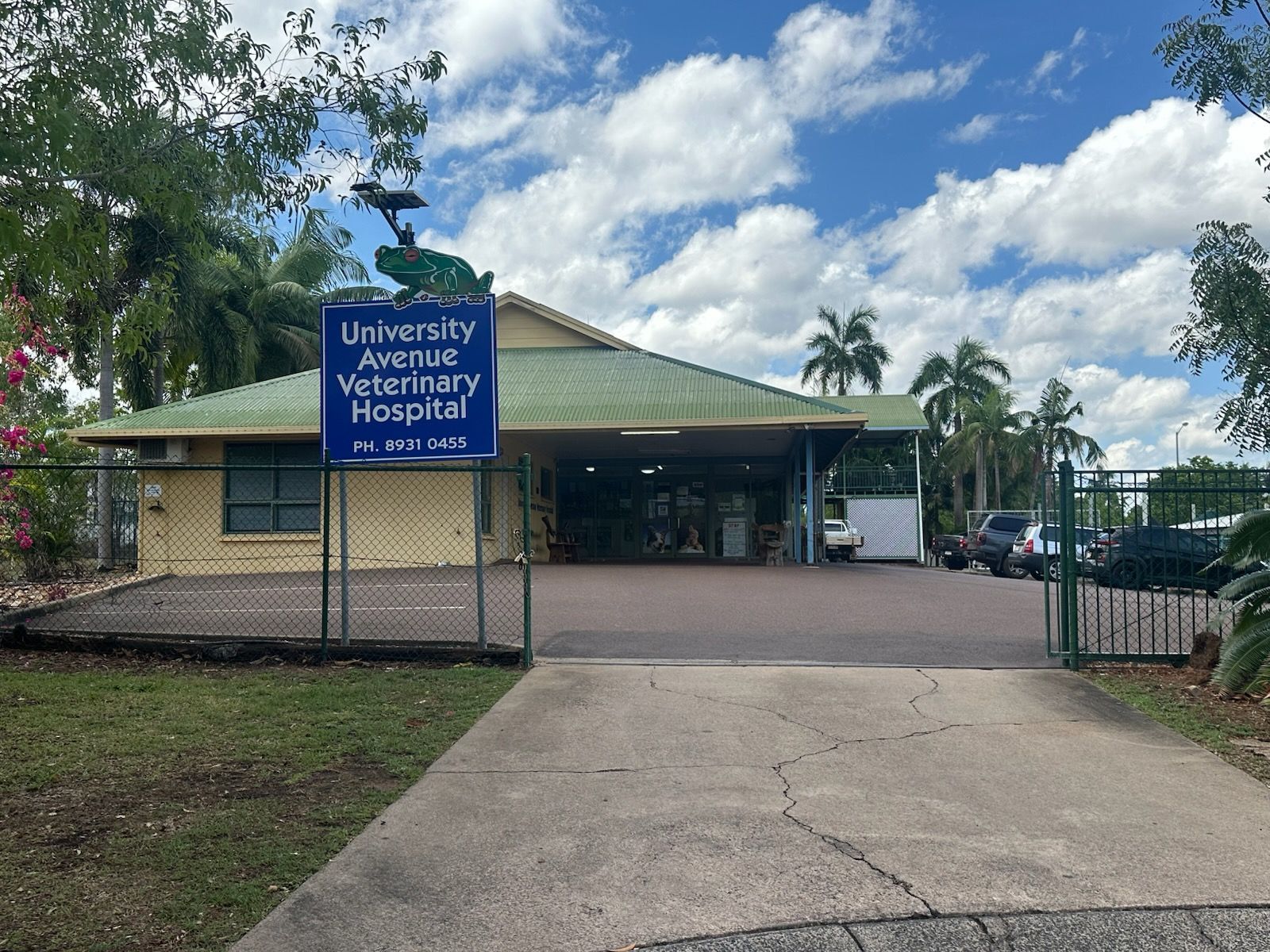
If your pet requires surgical procedures, blood tests or diagnostic work, University Avenue Veterinary Hospital is the place to call. Our hospital incorporates specialised equipment with veterinarians fully trained in the latest surgical procedures and diagnostic techniques.
Please note that all surgery, other procedures and Geriatric Health Profile appointments must be made at least 24 hours in advance. Admittance is between 7:30 and 8:30am.
Consultation & Waiting Room Etiquette
All pets must be adequately restrained, and owners must be able to control their pets in the waiting and consultation rooms.
Dog Restraints
Acceptable restraints for dogs include:
- Check or choker chain and lead/leash
- Collar with lead (as long as the dog cannot slip the collar off)
- Harness and lead
- Dog carrier or box
Aggressive Dogs:
If your dog is aggressive, or you suspect it may become aggressive towards other dogs, cats or people, please advise reception staff when making the appointment. On arrival, please muzzle your dog. Muzzles are available from reception and our staff will advise how it should be placed on your dog.
Cat Restraints
All cats must be transported to and from the veterinary hospital in a suitable cat box. Cats should remain in the cat box until consultation. If you do not have a cat box, they are available to purchase or borrow from reception, but we do require a deposit.

Surgery & Diagnosis Procedures
Fasting
At least 12 hours prior to being admitted, access to all food should be removed. This is especially important for cats that may wander and be able to obtain food from elsewhere. Do NOT take water away from your pet.
Bathing
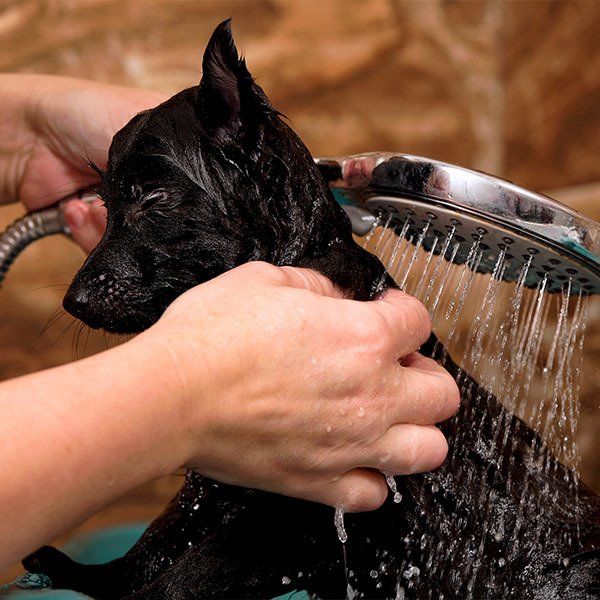
Please bath your dog the day before routine surgery, unless you are otherwise advised. You will not be able to bath your pet or allow them to get wet for a period of time after the surgical procedure. For protection of all our patients, we request that your pet be up to date with vaccinations, routine intestinal worming, heartworm and tick and flea prevention prior to admission for routine surgery or procedures.
Anaesthesia
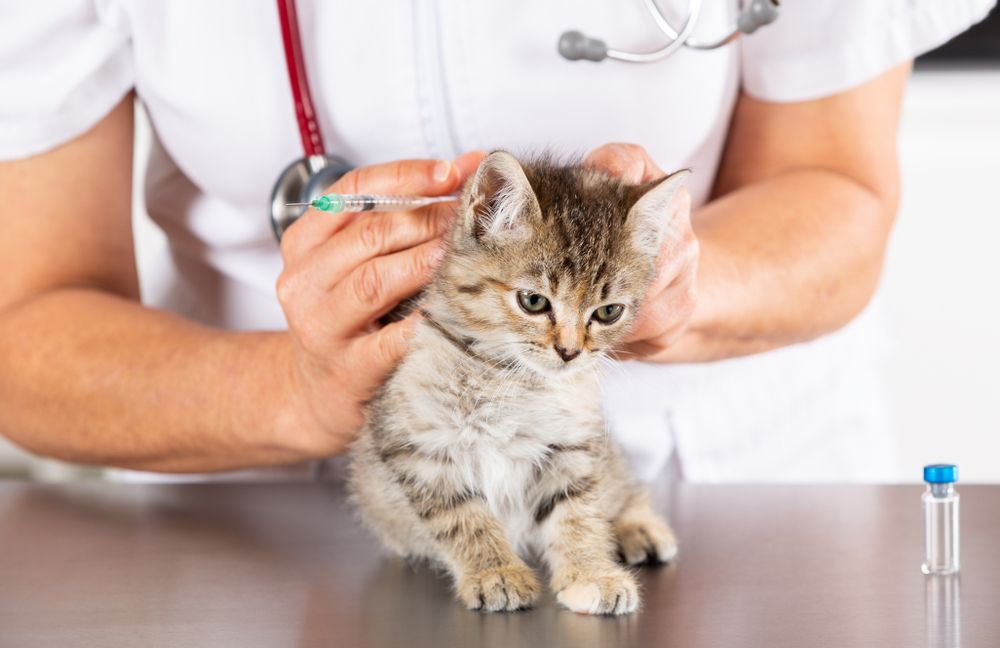
In most surgical cases and some diagnostic procedures, we recommend that your pet undergo a pre-anaesthetic blood screen and be placed on intravenous fluids prior to and during anaesthesia. In order to provide the safest anaesthetic possible for your pet, the drugs we administer are specifically selected for your pet's condition, age and breed. However, there are risks with any anaesthetic.
Performing a pre-anaesthetic blood screen prior to administering an anaesthetic enables us to further minimise these risks by determining kidney, liver and other organ function. These organs are responsible for metabolising and eliminating anaesthetics and medications. If blood results are abnormal, we can modify the anaesthetic drugs that we use and address the underlying problems.
Intravenous fluid therapy allows us to help maintain your pet's blood pressure during anaesthesia and surgical procedures. It assists the organs in processing and eliminating anaesthesia and other drugs and aids in a smoother, faster recovery for your pet.
Our focus is on providing the very best in patient care and safety. Our nurses are highly trained in monitoring anaesthesia and patient's vital signs prior to, during and after surgery, using highly specialised monitoring equipment.
Consent Forms
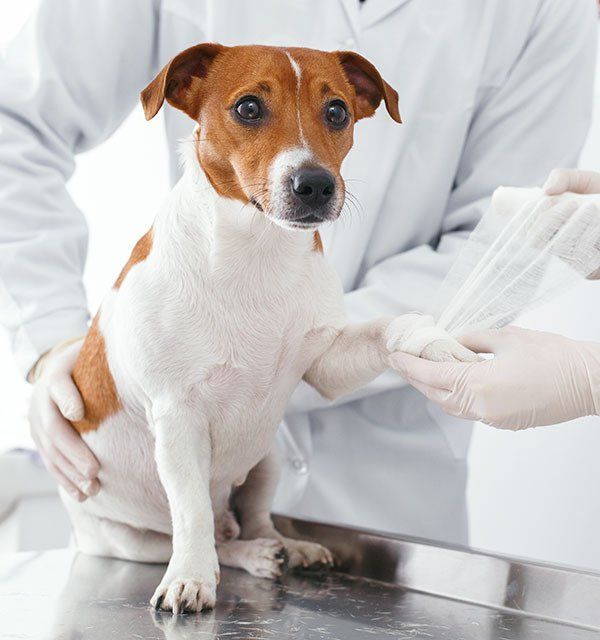
All surgery and diagnostic procedures require owners to complete and sign an Anaesthetic, Surgery and Procedure Consent form. Your veterinarian will provide you with a written estimation, which you will be required to sign when your pet is admitted. If you have not been given an estimation, please notify reception nurses who will arrange for one to be provided. If you have any questions or concerns prior to your pet receiving treatment, undergoing diagnostic procedures or surgery, please be sure to let our nurses know so that we can assist you.
Please make sure your contact number is provided on the consent form so we may reach you if any emergencies arise, or variations to procedures or treatments are required. If you are not available at the time, we may be forced to make decisions based on the best interests of your pet.
After Surgery or Procedure
Once the procedure or surgery has been completed, our nurses will call and advise you of your pet's condition and recovery and arrange a discharge appointment with you. The attending nurse or veterinarian will then discuss with you any diagnostic test results, treatment plans, medications and home care instructions.
Prescription & Dispensing Policy
At University Avenue Veterinary Hospital, by law we are able to dispense Schedule 4 drugs (such as antibiotics) to clients only after consultation with a veterinarian. All clients and patients are required to be seen by a veterinarian at our hospital premises. The only exception is if you are located in a remote community, where consultation with a veterinarian may be done over the phone. Medications may then be dispensed at the veterinarian's discretion.
Most prescriptions are valid for six months. After this time another consultation is required before a new script can be supplied. This enables us to monitor your pet's condition and general health to ensure that we are still providing the correct treatment and dosage for the condition. We are able to dispense a prescription from another veterinarian, providing it is within six months of the script's date and you authorise us to obtain your pet's medical records from your previous veterinarian should we require it.

Euthanasia
Unfortunately, one of our duties as pet owners, however sad it may be, is to have our pets euthanised or put to sleep. Pets are generally euthanised due to old age, disease, unacceptable behaviour or trauma. Euthanasia is normally considered when the pet's quality of life is poor, and a decision is made to end suffering.
If you are unsure about euthanasia, a veterinary consultation should be considered. This will provide you with the opportunity to discuss your pet's condition with the veterinarian and allow for an examination of your pet. The attending veterinarian may recommend additional procedures (such as blood tests and x-rays) that may be undertaken in order to make a more informed decision. Ultimately this is a decision regarding 'quality of life' and you as the pet owner remain in the best position to evaluate your pet on a daily basis.


